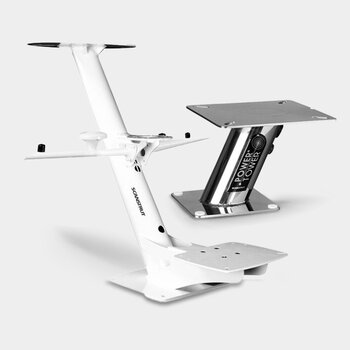
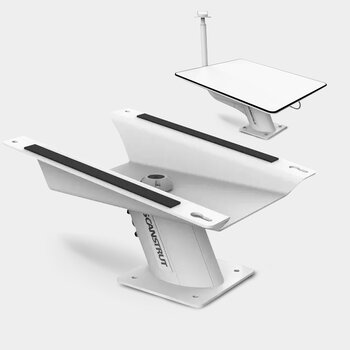
Marine mounting solutions provide stable, secure installation for onboard electronics, protecting performance and ensuring reliable signal accuracy. For expert advice from Sail360, see our guide at the bottom of this page.
Marine Mounting Solutions: Structural Stability for Advanced Onboard Electronics
Optimal sensor performance requires a mounting platform that guarantees structural stability and precise alignment. Marine mounting solutions are engineered to isolate high-value electronics from mechanical vibration and environmental exposure while maintaining the necessary line-of-sight for signal integrity. Selecting the correct hardware is critical to preventing signal attenuation and long-term structural stress on both the equipment and the vessel’s superstructure.
Compatibility Guide: Which Mounting Solution Matches Your Onboard Equipment?
Marine hardware must be selected based on the specific load and signal requirements of the onboard technology:
- Radar Mounting Systems: We offer high-quality mounting solutions from Scanstrut, compatible with Furuno radar systems as well as a wide range of other marine electronics. Available options include mast brackets, aluminum power towers, and self-levelling mounts designed to maintain a horizontal radar beam regardless of vessel heel or trim.
- Satellite & Starlink Brackets: High-load mounting solutions designed to withstand the aerodynamic drag of satcom dishes. These systems provide the unobstructed 360° sky view required for consistent Starlink and satellite connectivity.
- Antenna Mounting Solutions: Specialized rail, deck, and pole mounts for VHF, GPS, and cellular antennas, designed to ensure secure installation and reliable performance in all conditions.
- Instrument & Display Pods: Ergonomic mounting solutions for MFDs (Multifunction Displays) and plotters, allowing for secure installation on flybridges or cockpits while maintaining optimal viewing angles and protection.
Performance Standards: What Determines Long-Term Structural Reliability?
The reliability of a mounting system depends on the synergy between material choice and the specific environmental stress it will face:
- Material Properties: Polished marine-grade 316 Stainless Steel is the standard for high-stress load points to prevent salt-pit corrosion. Powder-coated Aluminum is utilized for large structures to reduce weight aloft and protect the vessel's center of gravity. UV-stabilized Polymers are essential for antenna bases and seals to prevent the brittleness and cracking caused by constant solar exposure.
- Surface Integration: Utilizing wedges or adapter plates is a technical necessity to correct the pitch of a sensor on non-horizontal surfaces, ensuring the radar beam does not miss close-range targets in heavy seas.
- Cable Management Architecture: Professional systems feature internal channels for NMEA 2000 and power routing to prevent cable chafe and protect internal shielding from UV-induced signal loss.
Installation Precision: Vibration Control and Signal Integrity
Precision in the installation phase determines the operational lifespan of the electronics:
- Vibration Mitigation: For thermal cameras and high-definition radars, use mounts with integrated damping to prevent resonance-induced image distortion.
- Signal Clearance: Mounting height must be calculated to clear rigging and other transmitting hardware, preventing interference and signal shadowing.
- Material Compatibility: When installing aluminum mounts on different surfaces, specific isolation protocols must be followed to prevent electrolytic reactions.
Frequently Asked Questions About Marine Mounting Solutions
- Are these mounts compatible with specific Furuno radar models? Most Scanstrut solutions utilize universal mounting patterns. Verification of the specific footprint is required for open-array systems to ensure mechanical alignment.
- What are the requirements for Starlink marine installations? Due to wind load at cruising speeds, satellite dishes require reinforced brackets with high torque resistance to maintain structural safety.
- When is a self-levelling mount required? For sailing vessels, a self-levelling system is technically necessary to keep the radar beam on the horizon during heeling, ensuring consistent target tracking.
A Trusted Partner for Your Onboard Technology
At Sail360, our focus goes beyond supplying marine equipment. Our goal is to help boat owners and professionals navigate with confidence by providing the knowledge, products, and support needed to make informed decisions before investing in onboard technology.
We believe that better navigation starts with understanding, which is why we make detailed, practical information available to support every stage of the buying process. Through Sail360, you’ll find:
- Carefully selected mounting solutions engineered for structural strength, clean installation, and long-term reliability across radar, sonar, antennas, cameras, and satellite systems.
- Expert technical support to ensure correct positioning, compatibility, and optimal system performance.
- Professional-grade hardware from trusted marine manufacturers, delivering seamless integration with today’s navigation and communication electronics.
Whether you are upgrading your current setup or selecting new equipment, our team is available to help you evaluate options, understand technical specifications, and choose with confidence.